
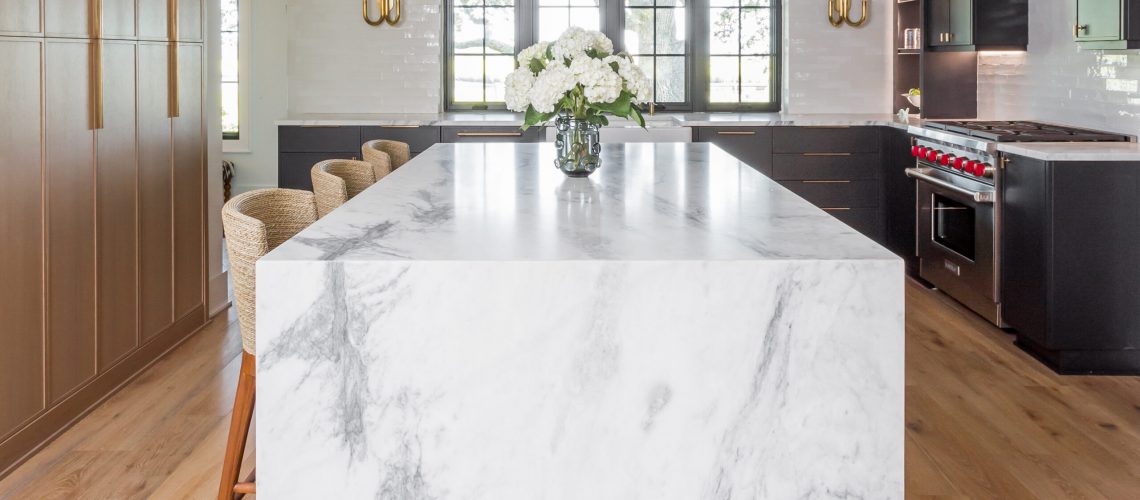
Most weeks, someone walks into our North Charleston showroom already halfway to a decision, then changes their mind the second they put a hand on an actual slab. That is the moment this whole choice really happens — not online, not in a brochure, but standing in front of the stone. We have templated and installed countertops in kitchens from Mount Pleasant to Summerville to Kiawah since 1984, and if there is one thing all those jobs taught us, it is that there is no single best countertop material. There is only the right one for the way you cook, clean, and live.
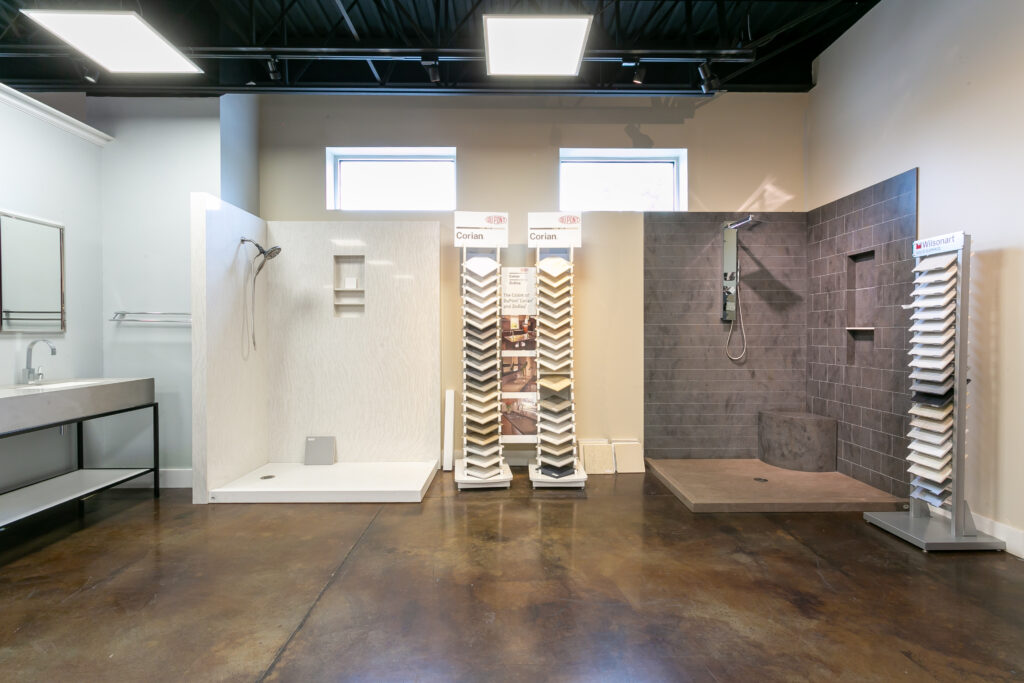
So instead of ranking these materials, we will do what we do at the showroom counter: walk you through the five we fabricate most, tell you honestly what each one is like to live with, and point out how they hold up here on the coast, where humidity and salt air are just part of the deal. Everything below comes off our own saws and install trucks, not a manufacturer’s spec sheet.
Quartz
When someone tells us they want a counter they can mostly stop thinking about, quartz is usually where we point them first. It is an engineered stone — manufactured rather than pulled from the earth — and that is exactly why it behaves so well day to day. It is non-porous, so it never needs sealing, it shrugs off stains, and it gives bacteria nowhere to hide. Wipe it down and get on with your evening.
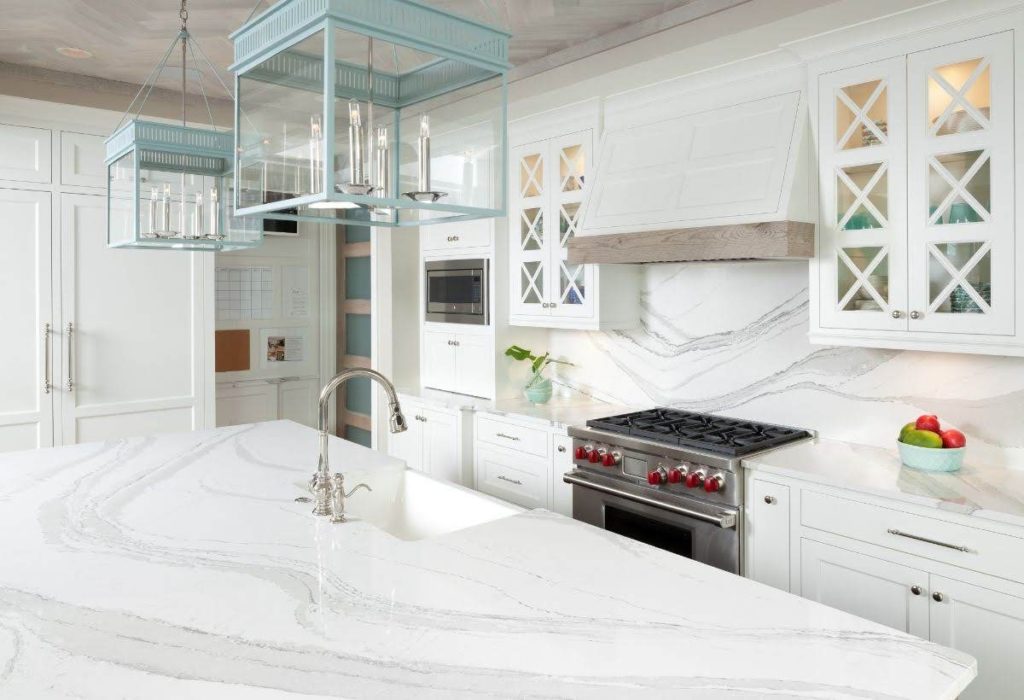
Because it is made in a controlled process, quartz is also predictable, and that matters more than people expect. When we run a slab across our CNC, the piece that lands in your kitchen matches the slab you fell for in the showroom — no surprise veining, no color drift at the seam. We stock premium engineered quartz, including Cambria, and it is far and away the most common material we cut for Lowcountry kitchens.
The one honest caveat: quartz does not love direct heat. The resin that binds it can scorch, so a pan straight off the burner needs a trivet, not the countertop. For most busy kitchens around here, that one small habit is a fair trade for how little else quartz ever asks of you.
Granite
Granite is the classic natural stone, quarried straight out of the ground, and that origin is the whole appeal. Every slab is genuinely one of a kind — movement and character no manufactured surface can copy. If you want your kitchen to feel like it has a piece of the earth in it, this is the one, and we install plenty of granite across the Lowcountry.
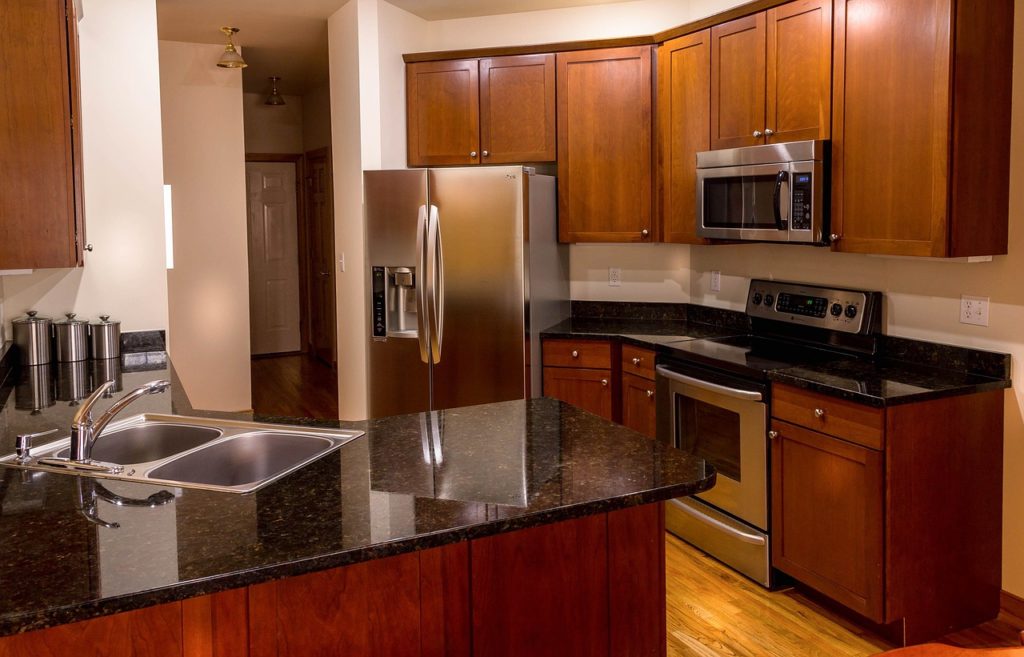
It is also durable. Granite handles heat and scratches without complaint, so you can set down a hot pot without a second thought — one reason we see it so often in hardworking kitchens, outdoor cooking areas, and fireplace surrounds. The tradeoff is that granite is porous, so it needs resealing about every couple of years to keep stains from settling in. That is a light chore, not a burden, and in our experience homeowners who want real stone with real toughness rarely look back.
Quartzite
Quartzite answers a question we field almost every week: how do I get the look of marble without the worry? It is a natural stone with the soft, luxurious veining people love about marble, but with durability much closer to granite. It stands up well to both scratches and heat.
It does ask for a little more attention than granite — we suggest sealing it about once a year. And because it is natural stone, the veining shifts from slab to slab, so this is one we really want you to see in person before you commit; we will pull a few options and lay them out for you. For homeowners chasing that elegant, marble-like look who still need a surface that can take daily Lowcountry life, quartzite is often the sweet spot.
Marble
Marble is timeless, and we will never talk anyone out of loving it. There is nothing else quite like it. But we do want you walking in clear-eyed, because marble rewards people who understand exactly what they are getting.
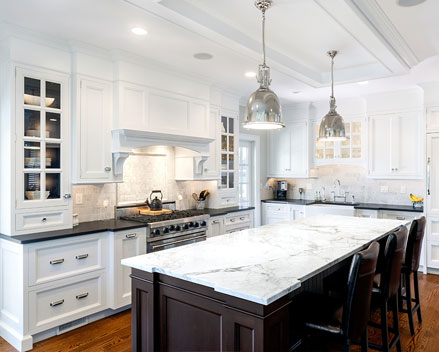
It is a softer stone, so it scratches more easily than granite or quartzite, and it etches. Acidic liquids — lemon, wine, vinegar — leave dull marks where they sit. Sealing helps slow that down, but we will be straight with you the same way we are at the counter: sealing reduces etching, it does not stop it. Plenty of our marble owners come to love that lived-in patina, the record of the meals and years a surface has seen. Choosing a honed, matte finish over a polished one helps those small marks blend in. We tend to steer marble toward baths, fireplaces, and lower-traffic spots where its beauty gets to lead and the wear stays gentle.
Porcelain
Porcelain is the newer option quietly stealing the spotlight, and for good reason. It is non-porous like quartz, so it stays easy to clean, which makes it a smart pick for showers, vanities, and busy kitchens alike — and easy upkeep is no small thing in a coastal home.
Where it really pulls ahead is heat. Porcelain is highly heat resistant, so a hot pan set directly on it is not a problem, and that same toughness makes it a strong choice for the outdoor kitchens and fireplaces we build all over the Lowcountry. If you want one material that moves easily between indoor and outdoor spaces with very little fuss, porcelain earns a serious look.
One rule for every material
Whatever you choose, keep the cleaning simple. Plain soap and water is the best everyday cleaner for all five. Skip the harsh or acidic sprays — over time they can dull, etch, or wear down both natural stone and engineered surfaces, and they solve a problem you almost never actually have.
What living on the coast really changes
Living near the water shapes this decision more than most people expect, and it is the part a countertop company from anywhere else cannot tell you. Charleston’s humidity and salt air will not hurt a countertop that has been properly fabricated and sealed — but they are a very good reason to stay on schedule with maintenance, especially resealing porous natural stone on time. It is also why we cut so much quartz and porcelain for homes out on the barrier islands and along the Cooper and Ashley: non-porous surfaces simply give you less to think about in a climate like ours. When we template a job in a salt-air home, this is the conversation we have on-site, every time.
Common questions we hear
What is the most low-maintenance material?
Quartz and porcelain, hands down. Both are non-porous and never need sealing. Quartz gives you consistent patterns; porcelain adds serious heat resistance and indoor-outdoor flexibility.
Quartz or granite for a coastal climate?
Both do well in the Lowcountry. Quartz needs no sealing, so it is especially low-worry in our humidity. Granite is more heat resistant and full of natural character, but it needs resealing about every two years to stay stain resistant.
Can I put a hot pan straight on my counter?
On granite, quartzite, and porcelain, yes. On quartz, no — direct heat can damage the resin, so keep a trivet handy. Marble handles heat reasonably but is soft and etches, so protect it too.
Is marble a bad idea for a kitchen?
Not at all, as long as you know what you are signing up for. It etches and scratches more than harder stones, and plenty of homeowners love the patina that comes with it. If you want the marble look with less upkeep, quartzite is the move.
How often does natural stone need sealing?
As a rough guide: granite about every two years, quartzite once a year, and marble sealed regularly to help resist etching. Quartz and porcelain need no sealing at all.
Come see them side by side
The best way to choose is to stand in front of these materials, run your hand across them, and picture them in your own space. That is what our showroom is for. Call us at 843-569-1131 to make a showroom appointment, and we will pull slabs, talk through your project, and handle everything from laser templating to a precise, professional install out of our 35,000-square-foot shop. We have been doing exactly that for Lowcountry homeowners since 1984.